Motion Graphics Are Not a Nice to Have. Here's What They're Actually Doing for Your Brand.
Most businesses treat motion graphics as a budget afterthought. Here's why animation in product video, long form content, and web design is doing more than you think.
Most businesses treat motion graphics as a budget afterthought.
Something you add when there's money left over. A nice touch. A finishing detail.
That's the wrong way to think about it.
Motion is a communication tool. And if you're not using it intentionally, you're leaving a significant amount of trust and engagement on the table.
Here's what motion graphics are actually doing across three areas of your business.
Animated Logos and Brand Cohesion
Your logo is the most repeated visual element in your entire brand system.
It appears on your website, your video intros, your social content, your email signatures, and every piece of collateral that goes out the door. Most businesses treat it as a static image and call it done.
An animated logo does something a static one can't. It communicates personality before a single word is read or spoken. The way it moves, the timing of the reveal, the weight of the transition — these things tell your audience who you are at a level that design alone can't reach.
Done well, a logo animation feels inevitable. Like the brand couldn't have moved any other way. Done from a template, it feels borrowed. And your audience can feel the difference even if they can't name it.
The Three Things Every Great Product Video Does
If you sell a physical product or a service with a visible process, video is not optional anymore.
People are making purchase decisions before they ever speak to you. They are watching, evaluating, and deciding based entirely on what they find online. A product video is your best chance to influence that decision before the conversation starts.
The best product videos do three things consistently.
They show the product in context. Not on a white background. Not in a studio. In the real environment where it gets used, by a real person using it.
They answer the objection before it gets asked. Every product has a reason someone almost didn't buy it. The best videos address that reason directly and early.
And they make the viewer feel something before they read a single word of copy. That feeling is what drives action.
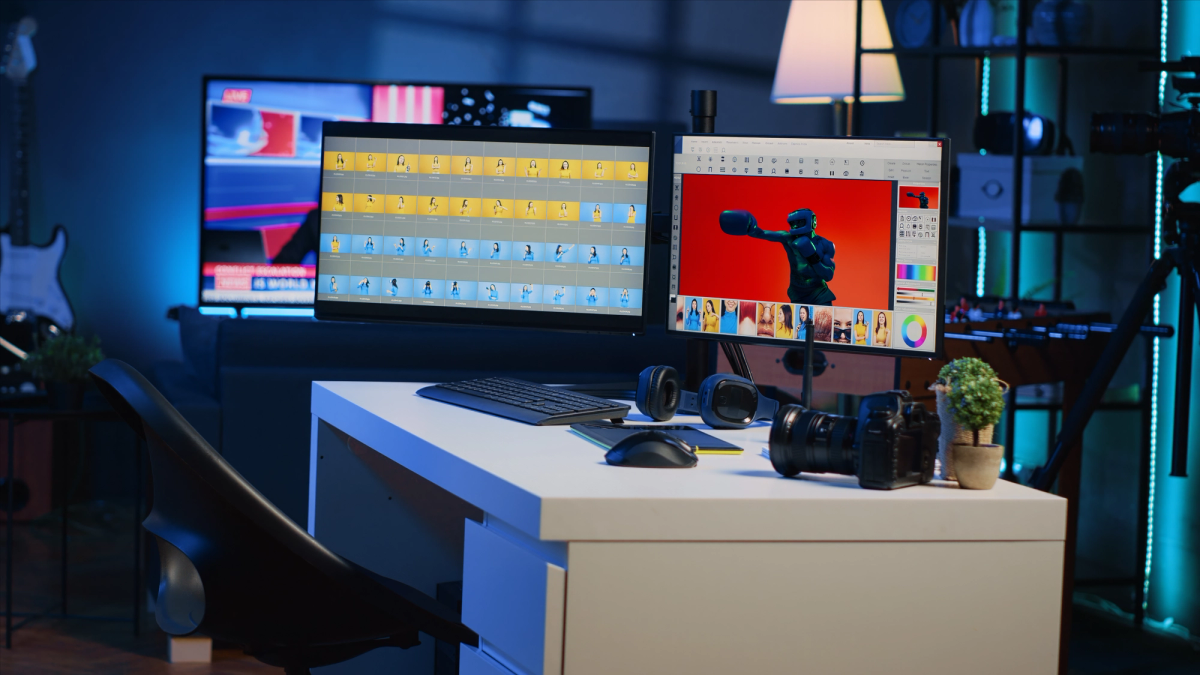
Motion graphics inside a product video extend all three of these. They highlight features without interrupting the footage. They add information without cluttering the frame. And when they're built from your brand system — your colors, your type, your rhythm — they make the whole piece feel more intentional and more trustworthy.
Motion Design in Long Form Video
Long form video is having a moment.
Podcasts, brand documentaries, educational content, interview series — businesses are investing more in this format than ever. But here's what most people underestimate.
The footage itself is only part of what makes long form content feel professional.
The motion design around it is doing more than you think.
Lower thirds that introduce speakers tell your viewer who to trust and why. Kinetic text that pulls out the key quote gives visual learners an anchor. Animated transitions keep the pacing tight without jarring cuts. Branded intros and outros frame the content and signal that someone cared enough to finish the job.
Without those elements, even great footage can feel like a rough cut. With them, it becomes something worth watching all the way through and sharing after.
Motion is the invisible ingredient. When it's there and done right, you don't notice it. When it's missing, you feel it.
Lottie: Web Animation That Won't Slow Your Site
Most business owners assume web animation means heavy files and slow load times.
That used to be true.
Lottie changed that.
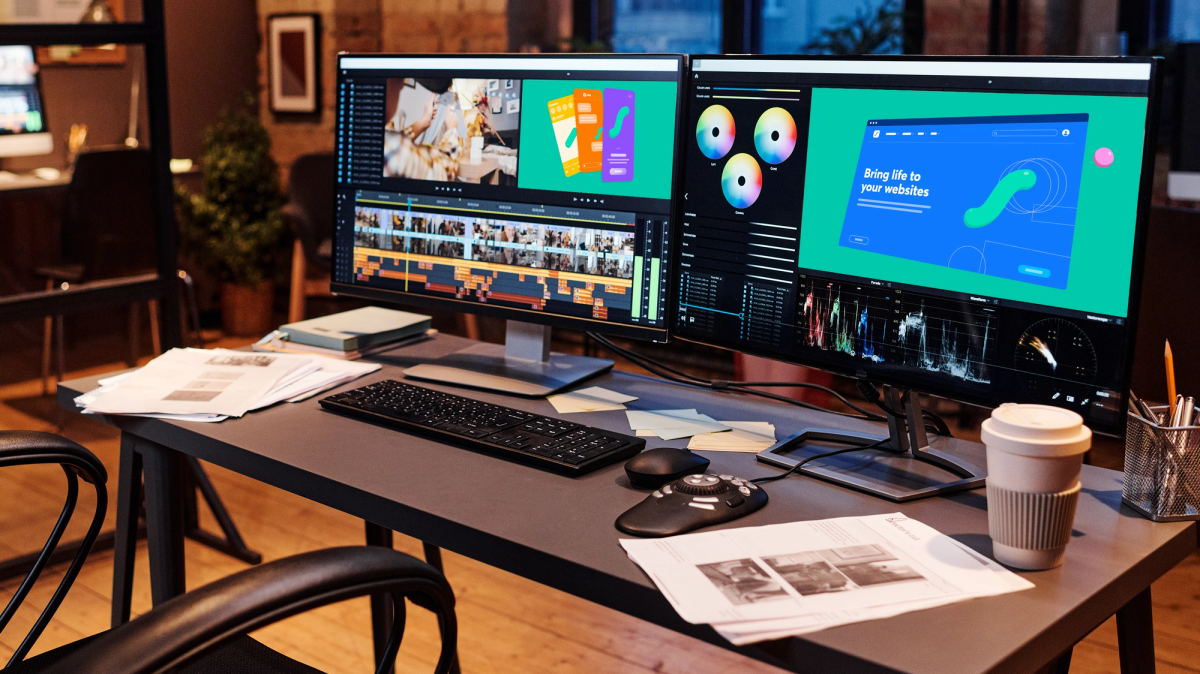
Lottie is an open-source animation format that renders After Effects animations directly in the browser. A complex multi-second animation that could be several megabytes as a video file might be 40 kilobytes as a Lottie JSON file. That's 80 to 90 percent smaller. And it's crisp at any screen size.
What that means practically is that you can add motion to your website without paying a performance penalty. Your page stays fast. The experience gets richer. Both things are true at the same time.
Here's where it matters most.
A Lottie animation in your hero section adds life to the first thing a visitor sees. A scroll-triggered animation turns your page into a story the visitor moves through. An animated checkmark or loading state makes your product feel more intentional.
These aren't decorative decisions. They're trust signals. They tell a visitor in the first three seconds that someone cared enough to get the details right.
And in a world where every business is fighting for attention in the same three-second window, that signal matters more than most people realize.
Animation as a Trust Signal
Here's the thing that ties all of this together.
Motion, used intentionally, signals craft.
It tells your audience that a real person made decisions about how your brand behaves. Not just how it looks in a static moment, but how it moves through time. That level of intentionality builds trust in a way that a well-designed static asset cannot fully replicate.
The businesses that understand this are already using it. The ones that don't are competing on price because they haven't given their audience a reason to choose them based on quality.
If you're curious what motion could do for your brand, whether that's an animated logo, a product video, long form content, or Lottie animations for your website, we'd love to show you.
Mithril Media is a full-service creative agency based in Humboldt County, CA. We build websites, brands, video, and content systems for businesses that are ready to grow.
Free website audit at mithrilmedia.io/audit. No pitch. No obligation.
Get in TouchFollow along on Substack to receive the latest articles in your inbox