The Camera Has to Show Up
Your business is specific. The way your team moves through a job site, the light in your shop at 7am, the exact expression on a client's face when the project lands right, these things do not exist in a training dataset. They exist in a specific moment, in a specific place, with someone present who knows what to look for and how to capture it.
In an era of generated everything, the most valuable thing a creative agency can do is be in the room.
There is a specific kind of bad video that is everywhere right now. You have seen it. Stock footage cut together with a sans-serif font. AI-generated voiceover reading copy that technically says the right things. Motion graphics
that look like they came from a template, because they did. Background music that sounds like every other background music.
It performs fine in the preview. It looks like a video. It just doesn't feel like anything. That is the promise and the problem with AI-assisted content production right now. The tools are genuinely impressive. They can generate footage, write scripts, produce motion graphics, edit timelines, even clone
voices. For a business owner trying to check a box, they are tempting. Fast, cheap, available at 2am.
The output just does not move people, and people can feel why even when they cannot name it.
What gets lost in the prompt
AI video tools work from patterns. They are trained on what video has looked like and they produce more of that. The result is content that is recognizable as content, which is a different thing than content that is recognizable
as you.
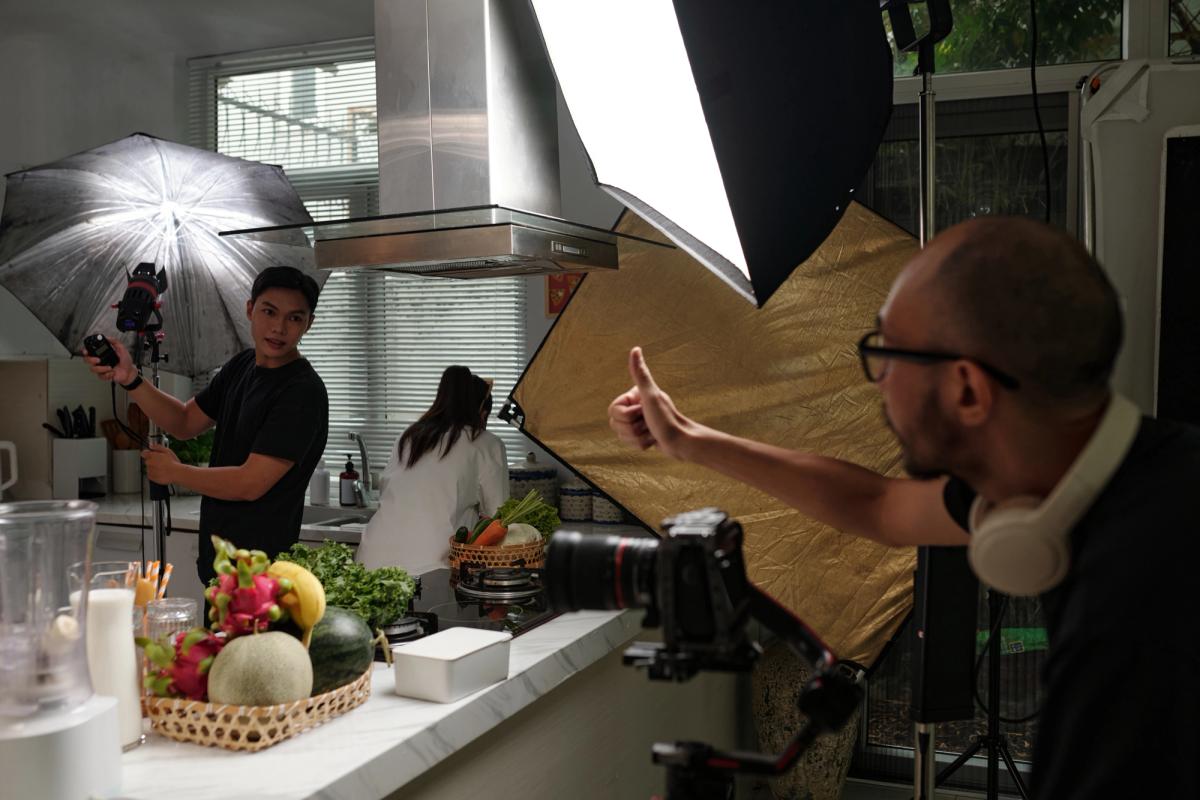
Your business is specific. The way your team moves through a job site, the light in your shop at 7am, the exact expression on a client's face when the project lands right these things do not exist in a training dataset. They
exist in a specific moment, in a specific place, with someone present who knows what to look for and how to capture it.
That gap, between generated and genuine, is widening. Audiences are developing fluency with AI content whether they know it or not. It registers as familiar, generic, somewhere else. Real footage of real people in a
real context registers differently because it is different.
You cannot prompt your way to that.
Why being local matters more than it used to
Humboldt County has a particular visual character. The light is different here. The landscape is different. The people who run businesses here have a specific relationship to this place and the people it serves. That context
is not incidental to telling a story well, it is the story.
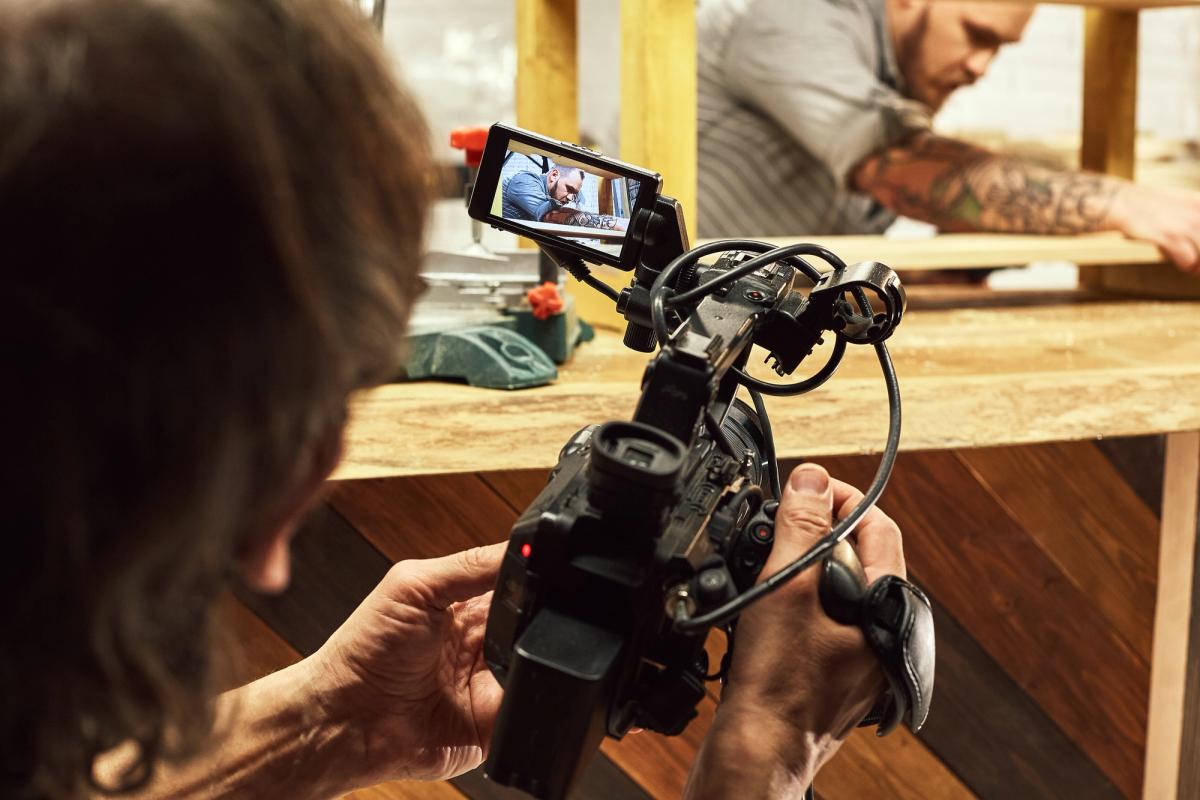
An agency that is here, that works in this market, that understands what makes a Fortuna contractor different from a San Diego contractor, brings something to a shoot that no remote production workflow can replicate. It shows up. It can sit in the pre-production meeting, walk the space beforehand, notice what the client is proud of before the camera turns on.
That prep work is invisible in the final cut. It is also the reason the final cut works.
Motion graphics as a craft, not a template
The same logic applies to motion graphics, which is a category that has gotten particularly overrun with template culture. Motion design at its best is an extension of brand thinking. The timing of a cut, the weight of a transition, the way type moves into frame these are not arbitrary. They communicate energy, pace, confidence, personality.
Done well, motion makes a brand feel more like itself. Done from a template, it makes a brand feel like every other brand that used the same template. Built from a brand system, working from the typography, the color, the visual language already established, it produces animation that feels inevitable rather than applied.
What one roof actually buys you
The operational argument for a full-service creative agency is efficiency. One relationship, one brief, no translation problems between strategy and production and post. That is true and worth something.
The more important argument is creative coherence. When the person who directed the shoot is also making decisions in the edit, and building the motion graphics, the output has a consistent point of view. The intention carries through. Nothing gets lost in handoff.
AI tools can accelerate pieces of that process. They are genuinely useful in the right hands, applied with judgment, reviewed by someone who knows what authentic looks like. The problem is that they get used as a replacement for judgment rather than a tool for people who have it.
The thing AI cannot do
AI can produce content. It cannot have a point of view about your specific business, in your specific market, for your specific audience. It cannot notice the detail that changes the whole story. It cannot make the call to hold on a shot two seconds longer because something is happening in the subject's face.
Those decisions require presence. They require someone who has done this long enough to know what they are looking at, who cares enough about the outcome to get it right, and who can be in the room when it matters.
Follow along on Substack to receive the latest articles in your inbox