What Answer Engine Optimization Actually Means for Your Business
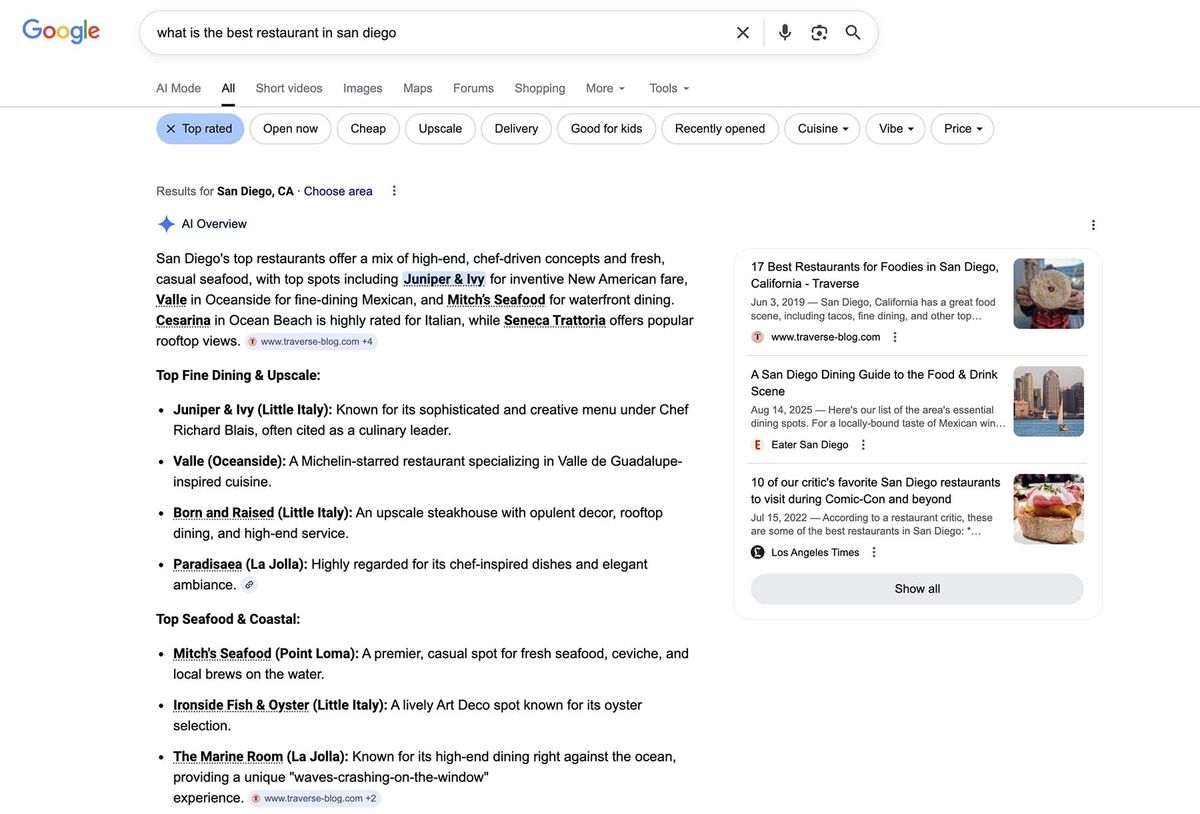
Search is changing faster than most business owners realize. AI tools like ChatGPT and Google's AI Overviews are answering questions directly, and the websites that show up in those answers are winning a new kind of visibility. Answer Engine Optimization is the practice of making sure your business is one of them.

For most of the internet's history, the basic transaction between a business and a search engine has been straightforward. You create a website. You put useful information on it. A search engine indexes that information and, if you have done the work well, shows it to people who are looking for it. The person clicks. They land on your site. From there, the relationship begins.
That transaction is not disappearing. But it is being rewritten in ways that matter enormously for any business that depends on being found online.
The shift started quietly. Google began pulling answers directly into search results years ago with featured snippets, knowledge panels, and "People Also Ask" boxes. Each of those features reduced the number of queries that resulted in a click to an external website. But they were still fundamentally tied to Google's traditional search architecture, and the optimization strategies that worked for organic rankings largely worked for those features too.
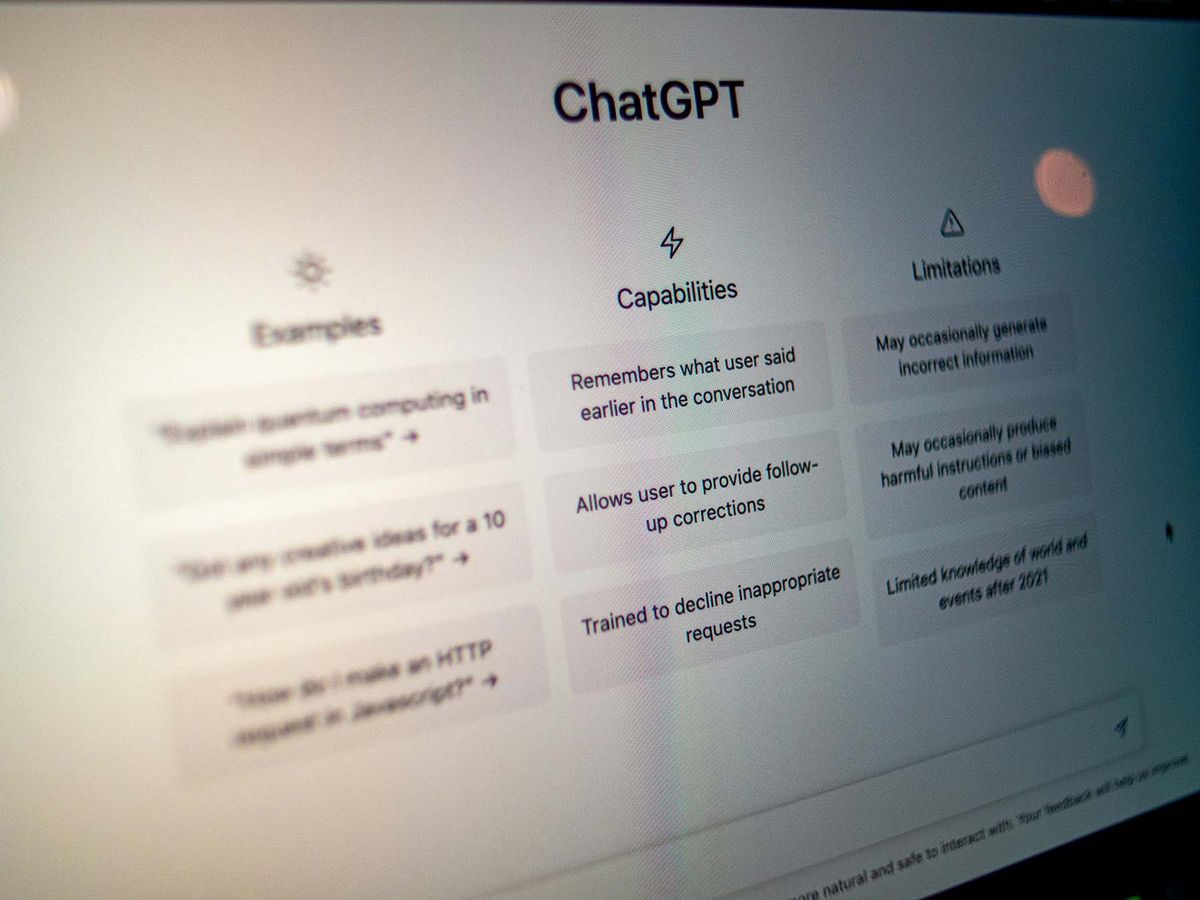
What has changed in the past two years is the scale and nature of the shift. Google's AI Overviews now appear on roughly 48 percent of all search queries, up from around 13 percent in early 2025. ChatGPT processes over 2 billion queries daily and accounts for approximately 20 percent of search-related traffic worldwide. Perplexity, Claude, and a growing field of AI-powered search tools are adding to that number every month.
The result is a search landscape where a significant and growing share of queries are being answered before the user ever visits a website. Zero-click searches increased from 56 percent to 69 percent between mid-2024 and mid-2025. For informational and how-to queries, AI-generated answers now appear on more than 70 percent of results pages.
This is the context in which Answer Engine Optimization, or AEO, has moved from a niche concept to something every business owner needs to understand.
What AEO Actually Is
Answer Engine Optimization is the practice of structuring your website's content so that AI-powered tools can find it, understand it, and cite it when generating answers to user queries.
If traditional SEO is about ranking on a list, AEO is about being selected as a source. The distinction matters because the mechanisms are different. A search engine ranking depends on factors like backlinks, domain authority, keyword density, and technical performance. An AI citation depends on those things too, but it also depends heavily on how clearly and directly your content answers specific questions, how well your site's data is structured for machine readability, and whether the information you provide is authoritative enough for an AI system to trust.
The practical difference for a business owner is this: you can rank on the first page of Google and still be invisible in AI-generated answers. And you can be cited in an AI Overview or a ChatGPT response even if your traditional rankings are modest, provided your content is structured and authoritative enough to be selected.
Why This Matters More Than the Numbers Suggest
The raw traffic numbers tell one story. AI referral traffic currently accounts for roughly 1 percent of total website traffic across industries. That sounds small, and it is. But the trajectory is what demands attention. That number is growing at approximately 1 percent month over month, and the user behavior behind it is qualitatively different from traditional search traffic.
Research from Semrush indicates that visitors arriving from AI search tools convert at dramatically higher rates than those arriving from traditional organic search. Seer Interactive's analysis found that while organic click-through rates dropped 61 percent for queries where AI Overviews appeared, the visitors who did click through converted at 23 times the rate of standard search visitors. Brands cited in AI Overviews earned 35 percent more organic clicks than those that were not.
In other words, the volume of clicks is declining, but the value of each click is increasing sharply. The businesses that are being cited in AI-generated answers are capturing a smaller but far more qualified audience.
What Makes Content "AEO-Friendly"
The good news for business owners is that AEO does not require abandoning everything you know about SEO. It requires building on it with a few specific practices.
Answer questions directly and clearly
AI tools are scanning your content for clear, concise answers to specific questions. If someone searches "how often should I update my website," the AI is looking for a page that answers that question in a direct, well-structured way. Content that buries the answer under five paragraphs of preamble is less likely to be selected than content that leads with the answer and then provides supporting context.
This does not mean dumbing down your content. It means structuring it so that the core information is accessible, scannable, and explicit. Use headings that mirror the questions your audience is asking. Provide clear, direct responses early in each section.
Implement structured data
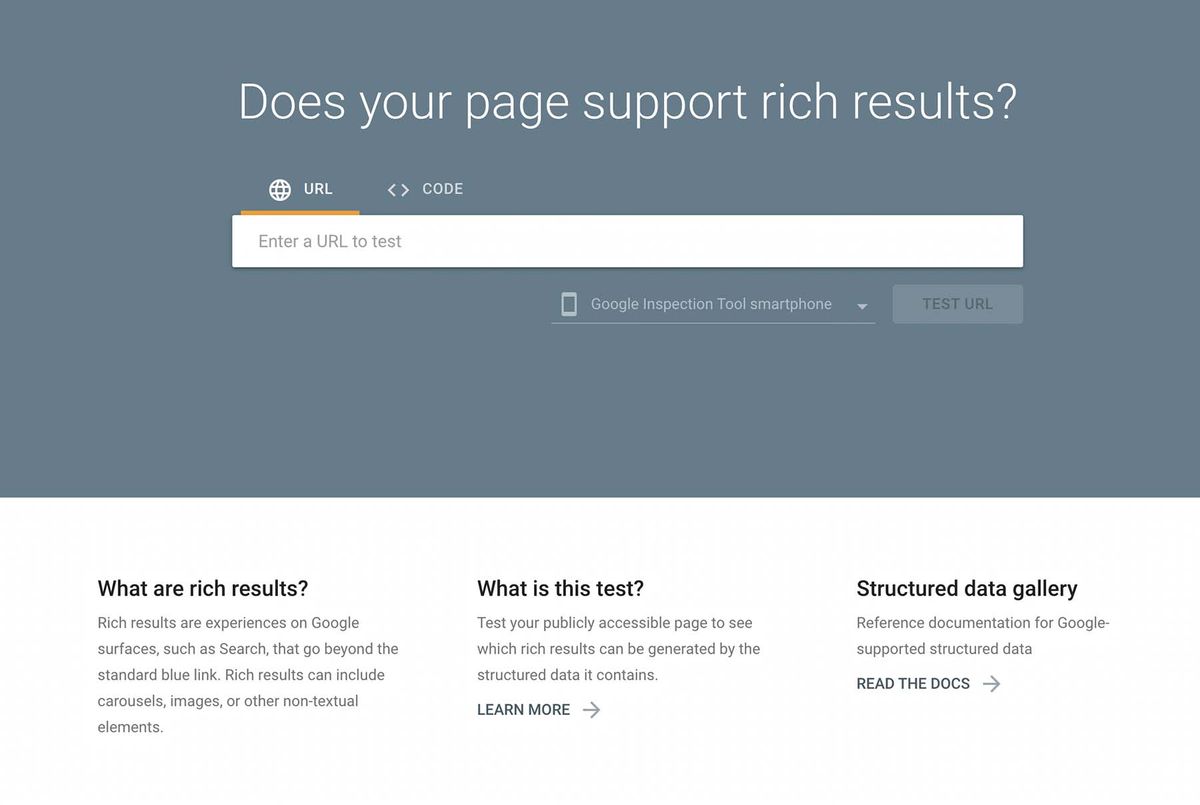
Structured data, also known as schema markup, is code you add to your website that tells search engines and AI tools exactly what your content represents. It is the difference between a search engine inferring that a page is about your business hours and your website explicitly declaring it.
Google's own documentation on structured data makes the case plainly. Pages with properly implemented structured data are more likely to appear in rich results, and that same structured data helps AI systems understand and cite your content accurately.
For a local business, the most impactful types of structured data include LocalBusiness schema (your name, address, phone number, hours), FAQ schema (for pages that answer common questions), and Article schema (for blog posts and resources).
Build topical authority
AI tools do not just look at individual pages. They evaluate whether a website has demonstrated consistent expertise on a topic. A single blog post about website security is less likely to be cited than a website that has published multiple pieces on the topic, links between them coherently, and has earned external references from other authoritative sources.
This is where content strategy and AEO overlap most directly. The businesses that perform well in AI-generated answers tend to be the ones that have invested in building a body of content around their core areas of expertise, not as a keyword-stuffing exercise, but as a genuine effort to provide useful information.
Keep your content current
AI systems show a strong preference for recent, updated content. A page that was last modified in 2021 is less likely to be cited than one that was updated in the past few months, even if the underlying information has not changed. Regular content audits, updates to statistics and references, and fresh publication dates all signal to AI tools that your information is current and reliable.
The Two-Track Reality
The most important thing to understand about AEO is that it does not replace SEO. For the foreseeable future, traditional search rankings will continue to matter enormously. Google still processes the vast majority of search queries, and organic click-through remains the primary mechanism by which most businesses acquire website visitors.
But the balance is shifting. Gartner predicts that 25 percent of organic search traffic will shift to AI chatbots by the end of 2026. Whether that specific number proves accurate or not, the direction is clear. The businesses that begin optimizing for AI-generated answers now will be better positioned than those that wait until the shift is impossible to ignore.
The practical implication is that your website strategy needs to serve two audiences simultaneously: the traditional search engine crawlers that have powered organic visibility for two decades, and the AI systems that are increasingly mediating between your content and the people looking for it.
What to Do This Week
If this feels overwhelming, start small. Three things you can do right now to begin moving toward AEO readiness:
- Identify the five questions your customers ask most frequently
Write clear, direct answers to each of them on your website, structured with the question as a heading and the answer as the first sentence of the section that follows. - Check whether your website has basic structured data implemented
You can do this for free using Google's Rich Results Test. If your site shows no structured data, that is your most immediate technical priority. - Audit your most important pages for freshness
If your services page or your most-visited blog posts have not been updated in more than six months, update them. Add current statistics. Refresh the language. Change the modification date. Signal to both search engines and AI tools that this content is alive and maintained.
None of these steps require a massive investment. They require attention, intentionality, and a willingness to adapt to the way people are actually searching for information right now.
If your website was built for the old version of search, it may be time to rethink how your content is structured. Mithril Media helps businesses optimize their websites for both traditional search engines and the AI tools that are rapidly reshaping how people find answers online.
Get a Free Website AuditFollow along on Substack to receive the latest articles in your inbox