What Pro Sports Teams Can Teach Local Businesses About Web Design
Every day is Opening Day for your digital presence, people are searching for what you offer right now, deciding in seconds whether to call you or click away to a competitor. The question is whether your site is ready to win that moment.

It's Opening Day. Tens of thousands of fans pack the stadium, millions more tune in from their phones, and the teams that have spent the offseason preparing. Refining their roster, fixing their weaknesses, building toward a winning season, take the field ready to compete.
The ones that didn't? They're already behind.
Your website works the same way. Every day is Opening Day for your digital presence. People are searching for what you offer right now, deciding in seconds whether to call you or click away to a competitor. The question is whether your site is ready to win that moment.
Here's the thing: the teams you watch every week have some of the most sophisticated, high-performing websites and digital experiences in the world. And the principles that make those sites work aren't reserved for organizations with hundred-million-dollar budgets. They apply directly to a local business in Humboldt County, and most local sites get every single one of them wrong.
Principle 1: Mobile First, Always
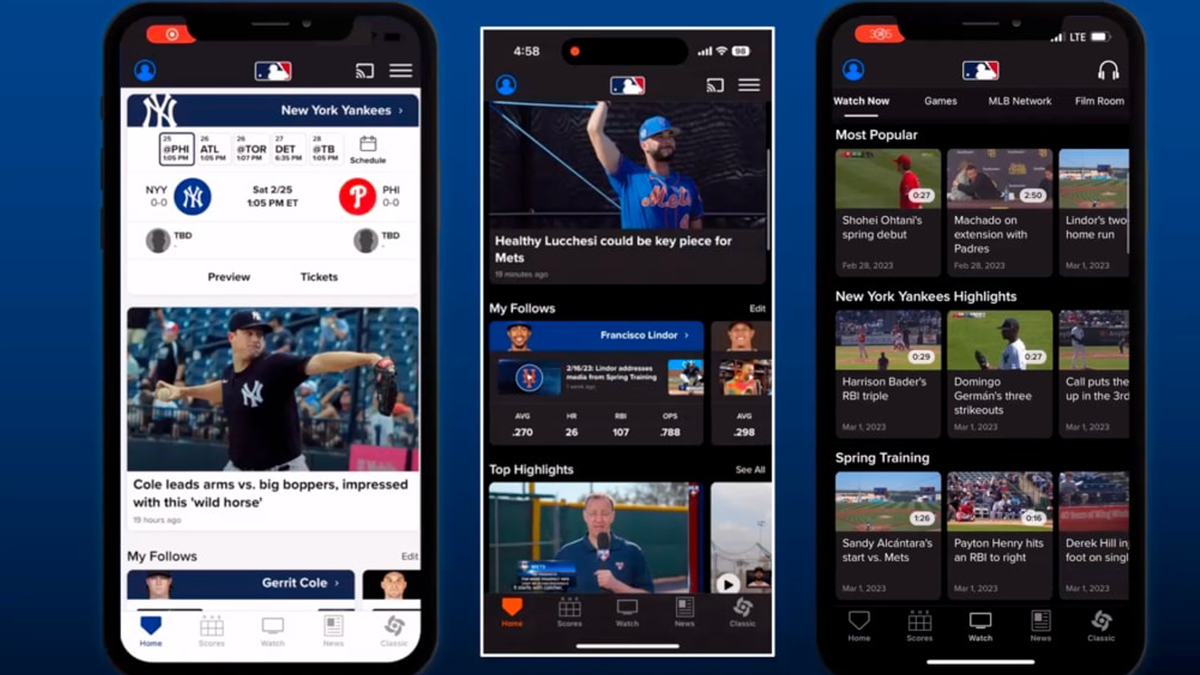
Walk into any stadium and look around. Every fan has a phone in their hand. The NFL, MLB, and NBA figured this out years ago and rebuilt their entire digital infrastructure around it. When the NFL redesigned their app, they partnered with a top agency and made mobile the centerpiece, reimagining a video-first fan experience that drives fan loyalty and fuels their streaming product.
The result was dramatic. Page load speed increased 267% and clicks to game pages increased 138% year over year.
Now ask yourself: when someone in Arcata searches "web designer near me" on their phone, what do they find when they land on your site? Does it load in under three seconds? Is the text readable without zooming? Is the call to action easy to tap?
Mobile-friendly websites see 40% higher conversion rates, and a mobile-first responsive design can increase repeat website visits by 75%. This isn't optional anymore. Google ranks your site based on the mobile version first, which means a poor mobile experience penalizes your search rankings for everyone, including desktop users.
Most local business websites were built for desktop and never properly adapted for mobile. In 2026, that's the equivalent of a team that never updated their playbook.
Principle 2: Clear Navigation, Zero Friction
When the NFL rebuilt NFL.com, their core insight was that fans arrived with urgency, looking for scores, schedules, and one simple question: how do I watch right now? Too often, they bounced to find the answer elsewhere. The issue wasn't fandom. It was fragmentation.
Sound familiar? Your customers arrive at your website with the same urgency. They want to know what you do, whether you serve their area, how to reach you, and whether they can trust you… in about eight seconds. If your navigation is cluttered, your key information is buried, or the path to contact you requires three clicks, they're gone.
The NFL's redesign strategy was built around three principles: build a future-proof foundation, design for fan behavior by organizing the experience around high-intent moments, and guide decisions rather than interrupt.
That last one is the most underrated principle in local web design. The best websites don't shout at you, they guide you. They anticipate what you're looking for and put it in front of you before you have to search for it. Clear menus, logical page structure, quick links to your most important pages, and a conversion path that feels effortless rather than forced.
Principle 3: Social Proof Front and Center
No sports franchise hides their championships. The banners hang from the rafters. The trophy case is in the lobby. The record is on the homepage. Because credibility isn't just claimed, it's demonstrated.
Your website needs to do the same thing. Google reviews, testimonials, case studies, before-and-after results, years in business, certifications, all of it is social proof, and all of it belongs where people can see it without having to go looking.
The teams with the most loyal fan bases earn that loyalty through consistent, visible proof of performance. The businesses with the highest conversion rates do the same thing. When someone lands on your site for the first time, they're asking one question before they ask anything else: can I trust these people? Your job is to answer that question in the first ten seconds, before they even scroll.
Principle 4: Speed Is Non Negotiable
Every major sports league has invested heavily in page load performance, because they know that even a one-second delay costs them engagement, revenue, and fans. The NFL's redesign delivered a 267% improvement in page load speed, and it moved every single engagement metric in the right direction.
For a local business, slow load speed is one of the most damaging and most overlooked problems on the web. Unoptimized images, outdated hosting, bloated code, these things add up, and Google tracks every millisecond. Research consistently shows that visitors leave a website if it takes more than three seconds to load.
The painful irony is that most slow local business websites look fine on the owner's laptop, connected to their home WiFi. They have no idea what it looks like on a 4G connection in a parking lot, which is exactly where their next customer is finding them.
Principle 5: Design for Conversion, Not Just Aesthetics
The global sports market is worth $600 billion, and sports brands pay intense attention to their online image to compete in an extremely competitive environment. But the best sports websites aren't just beautiful, they're built to convert. Ticket sales, merchandise, subscriptions, fantasy signups, every design decision is made in service of a business outcome.
Your website should work the same way. Great design matters, first impressions are formed in milliseconds and 75% of people judge credibility by design alone. But design in service of nothing is just decoration. Every page on your site should have a clear purpose and a clear next step for the visitor. What do you want them to do? Call you? Fill out a form? Request a quote? That action should be obvious, easy, and in front of them at every decision point.
The teams that win on the field and online are the ones that obsess over every inch of the experience, from the parking lot to the concession stand to the homepage to the checkout. Nothing is accidental. Everything is intentional.
The Halftime Report for Local Business
Here's where most Humboldt County business websites stand right now: not mobile-optimized, slow to load, difficult to navigate, missing social proof, and with no clear conversion path. The playbook is broken and the season is already underway.
The good news is that fixing it isn't as complicated or expensive as you might think. The same principles that billion-dollar sports franchises use to build world-class digital experiences are available to any local business willing to do the work, and the results are just as measurable.
We've seen it firsthand. Six Rivers Solar came to us with an aging website that wasn't winning the local search game. After a full rebuild applying exactly these principles, mobile-first design, simplified navigation, trust signals, local SEO, and clear conversion paths. Passive lead generation increased 400% in the first month. Same business, same market, same customers. Better website.
Your Pre-Season Audit Before Opening Day, every team gets a detailed scouting report. An honest assessment of where they stand, what's working, and what needs to improve. We offer the same thing for local businesses: a free website audit that looks at your site across mobile performance, page speed, SEO, navigation, trust signals, and conversion. Plain language, no jargon, no obligation. If you're ready to stop leaving leads on the field, we'd love to take a look.
Get a Free Website AuditFollow along on Substack to receive the latest articles in your inbox